The Murder at the Manor project is an investigation game built in one week by a team of four. The goal? Recreate the atmosphere of an interactive Cluedo by integrating artificial intelligence and a voice interface. The player, in the shoes of an investigator, questions the suspects to solve a murder… but beware, every game is different!
Game concept
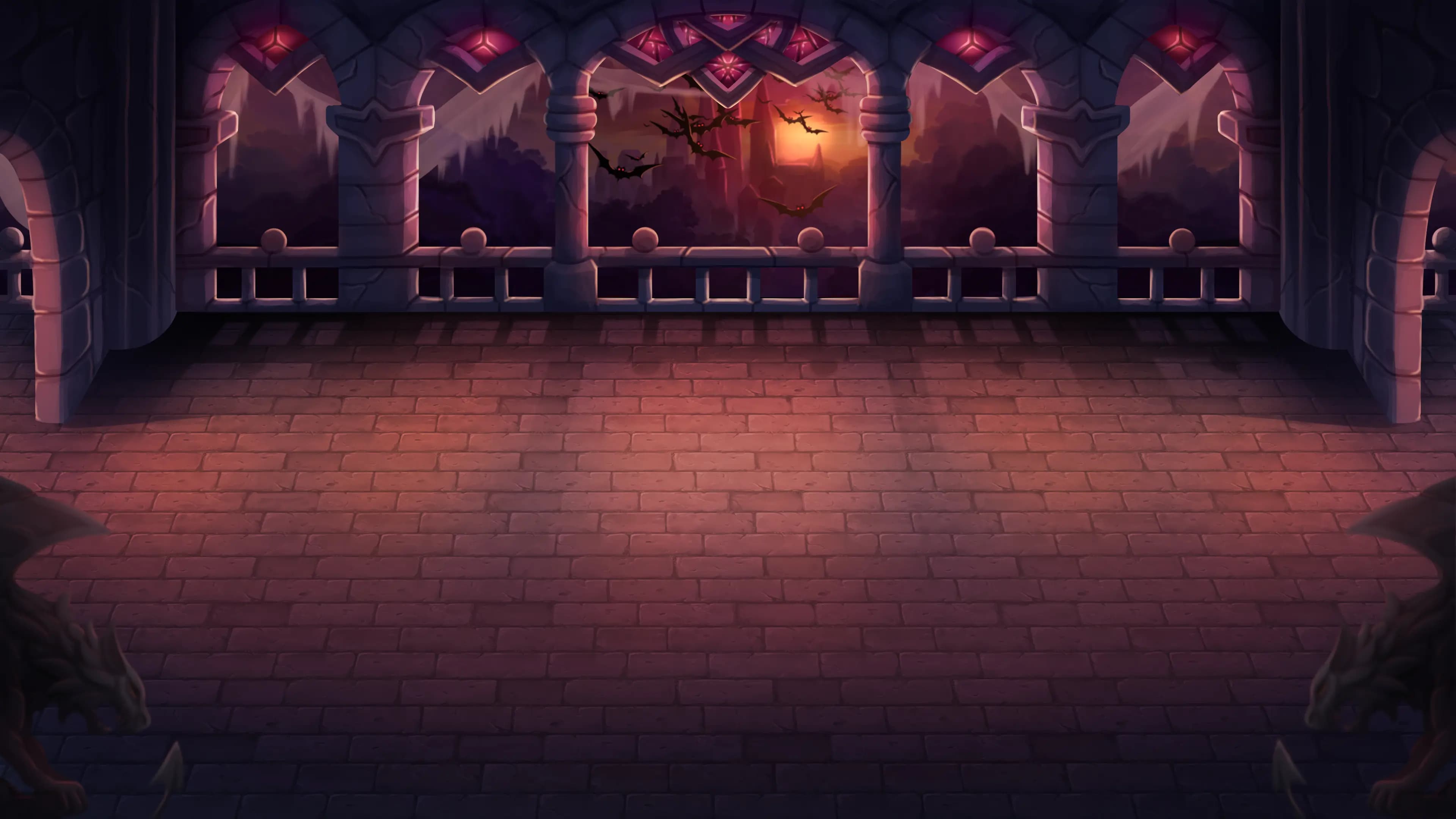
The story takes place in a mysterious manor where three enigmatic characters are present:
- The Spirit: a ghostly cook.
- The Minotaur: an imposing apprentice butler.
- The Satire: a gardener as mischievous as he is cunning.
A murderer is chosen at random among them, and the investigation comes to life thanks to an AI Game Master based on Gemma2 with Ollama. This game master generates a coherent backstory, a unique crime scenario for every game, as well as alibis tailored to the characters' roles.
The player asks questions out loud, and the game analyzes and interprets their requests through voice recognition.
Key features
- Exploration in Pygame: an immersive environment where the player moves around freely.
- Dynamic story generation: every game offers a unique scenario.
- Dialogue with AI: the suspects answer based on the questions asked.
- Voice recognition with Whisper: no more typing, the investigation happens by voice!
- Backend and custom API: smooth communication between the game's components.
My role in the project
On this project, my work focused mainly on the backend and AI integration. Here are the major tasks I completed:
- Speech-to-text conversion with Whisper to let players question the suspects naturally.
- Building an API enabling smooth exchange between the frontend (Pygame) and the AI models.
- Testing different AI models, before choosing Gemma2 with Ollama to generate dialogue and stories.
- Prompt engineering, tuning the interactions to make the characters' responses more natural and relevant.
Challenges
- Optimizing voice recognition to avoid transcription errors that disrupt the investigation.
- Improving the consistency of AI dialogue, by adjusting the prompts to avoid inconsistencies in the answers.
- Managing latency between voice, AI processing and the display of responses for a smooth result.
Areas for improvement
Several directions could push the project further:
- Speed up voice processing and response generation: today, the delay between the spoken question and the suspect's answer is still noticeable. Optimizing this latency would greatly improve immersion.
- Distill a dedicated AI model: the idea was to create our own model, specifically trained to generate responses tied to the manor's universe. This would give us more control over the outputs, stronger consistency, and greater flexibility in scenarios.
- Add synthetic voices for the characters: currently, the responses are text-based. Integrating generated voices would bring a new narrative dimension.
- Enrich the gameplay: the ability to explore more rooms, interact with objects or collect visual clues.
- A scoring or timer system: to reinforce the game aspect and challenge players on their deduction skills.
These ideas pave the way for a more advanced version 2, blending AI, interactive storytelling and traditional game mechanics even further.
What I took away
This project was an excellent opportunity to explore the interaction between video games and artificial intelligence. Working on integrating Whisper and managing the AI models was particularly enriching. It also allowed me to experiment with adaptive storytelling, where every investigation is different thanks to procedural generation.
With more time, several improvements could be made, such as better handling of character voices or a more intuitive interface. But in just one week, Murder at the Manor became an immersive and original investigation experience.
A Cluedo reimagined with AI, where the player's voice becomes their main weapon to unmask the killer… Ready to question the suspects?
Video demo
Completed on
Friday 07 March 2025